

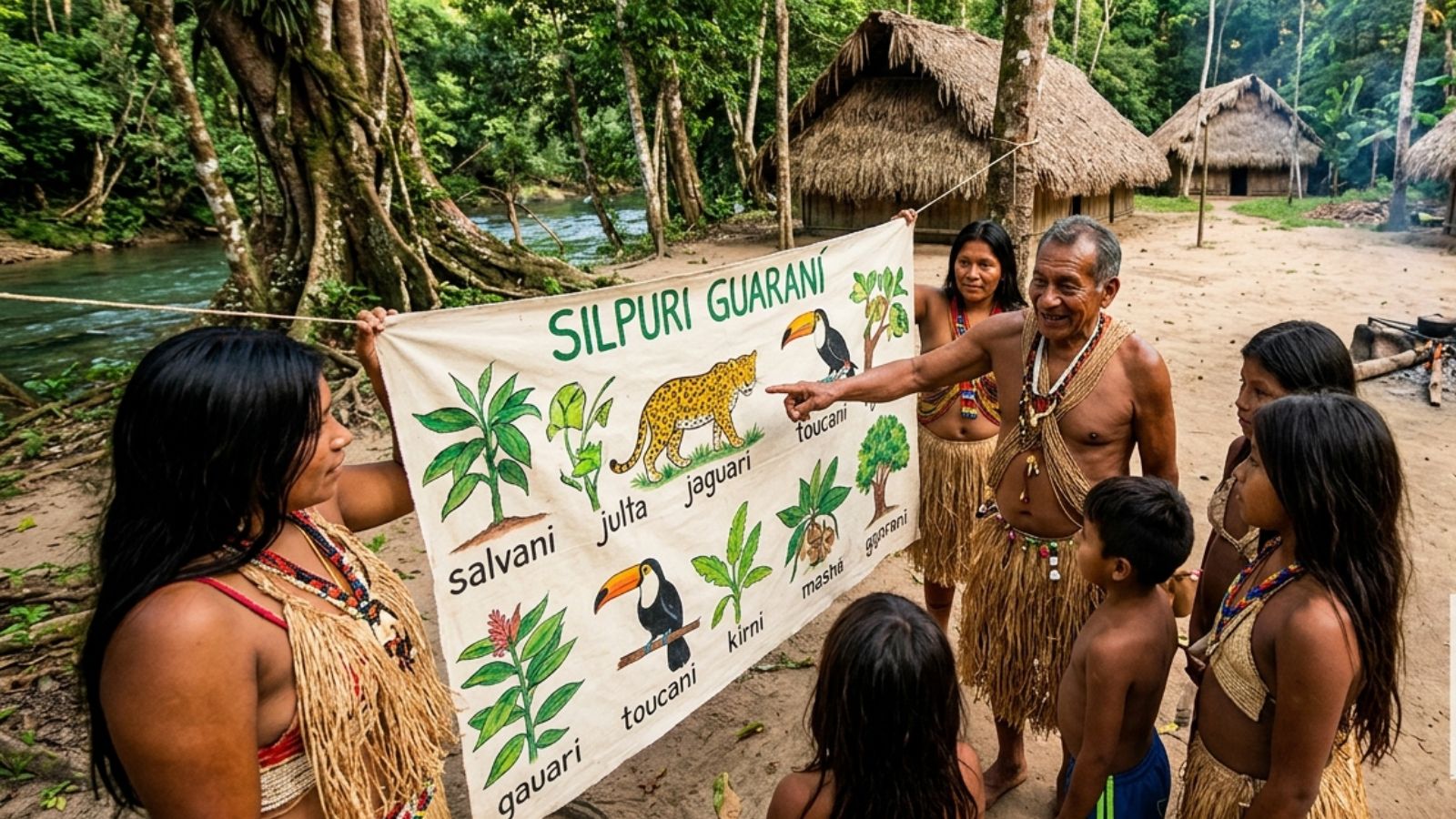
Nestled deep within the vibrant heart of South America lies a gem of language and culture: Silpuri Guarani. This unique dialect is more than just words; it represents a rich heritage that has thrived for centuries among the Guarani people. If you’ve ever been curious about indigenous languages or the traditions they carry, exploring Silpuri Guarani offers an enchanting glimpse into a world where nature, spirituality, and community intertwine seamlessly.
In 2026, interest in indigenous languages is growing rapidly as researchers, linguists, and cultural enthusiasts work to preserve endangered dialects and celebrate linguistic diversity. Silpuri Guarani stands as a fascinating example of how language can reflect identity, history, and a deep connection to the natural world.
What Is Silpuri Guarani?
Silpuri Guarani is considered a culturally rich variation influenced by the broader Guarani language family, which is spoken across regions of Paraguay, Brazil, Argentina, and Bolivia. While standard Guarani has official recognition in Paraguay, Silpuri Guarani is often described as a localized or symbolic dialect representing traditional storytelling, oral expression, and ancestral communication styles.
Unlike modern standardized languages, Silpuri Guarani is deeply tied to oral tradition. It is not just used for communication but also for passing down myths, rituals, agricultural knowledge, and spiritual beliefs.
Also Read: Fotofabriek Personalized Photo Products for Unique Memories
In essence, Silpuri Guarani is not just a language—it is a living cultural archive.
Historical Background of Silpuri Guarani
The roots of Silpuri Guarani can be traced back to the ancient Guarani civilization, one of the most influential indigenous groups in South America. The Guarani people historically lived in harmony with nature, building their society around forests, rivers, and seasonal cycles.
Before colonization, Guarani communities relied heavily on oral communication. Stories were passed from elders to younger generations through chants, songs, and spoken narratives. These oral traditions shaped what we now refer to as Silpuri Guarani.
Over time, with the arrival of European settlers and the spread of Spanish and Portuguese, many indigenous languages faced pressure and decline. However, Guarani survived more successfully than many other native languages due to its strong cultural foundation.
Silpuri Guarani, as a conceptual or regional variation, reflects the more traditional and expressive side of this linguistic heritage.
Cultural Importance of Silpuri Guarani
One of the most powerful aspects of Silpuri Guarani is its cultural depth. It is not simply a tool for communication—it is a way of life.
1. Connection to Nature
The language is rich in vocabulary related to forests, rivers, animals, and natural cycles. This reflects the Guarani worldview, where humans are seen as part of nature rather than separate from it.
2. Spiritual Expression
Silpuri Guarani often carries spiritual meaning. Words and phrases are used in rituals, prayers, and healing ceremonies, symbolizing harmony between the physical and spiritual worlds.
3. Oral Storytelling
Storytelling is one of the strongest traditions associated with Silpuri Guarani. Legends about creation, spirits, and ancestors are passed down orally, keeping history alive.
4. Community Identity
Language is a key factor in cultural identity. For Guarani descendants, speaking or preserving Silpuri Guarani strengthens their connection to ancestry and community values.
Linguistic Features of Silpuri Guarani
While Silpuri Guarani is not formally standardized, it shares many characteristics with the Guarani language family:
- Agglutinative structure: Words are often formed by combining smaller meaningful units.
- Rich vowel sounds: Pronunciation tends to be melodic and flowing.
- Context-based meaning: Words can change meaning depending on tone and situation.
- Nature-inspired vocabulary: Many terms are derived from animals, plants, and natural elements.
These features make the language both expressive and deeply symbolic.
Modern Relevance in 2026
In 2026, Silpuri Guarani is gaining attention for several reasons:
Digital Preservation Efforts
Linguists and cultural organizations are using digital archives, audio recordings, and AI tools to preserve indigenous languages. Silpuri Guarani is increasingly included in these preservation efforts.
Educational Awareness
Schools and universities are introducing indigenous language studies to promote cultural diversity. Students are becoming more aware of languages like Silpuri Guarani as part of global heritage.
Cultural Revival Movements
Indigenous communities are actively reviving traditional practices, including language use in festivals, ceremonies, and local media.
Global Interest
There is growing international curiosity about ancient and indigenous languages, especially those connected to nature-based cultures.
Challenges Facing Silpuri Guarani
Despite its cultural importance, Silpuri Guarani faces several challenges:
1. Language Decline
Younger generations are increasingly adopting dominant languages like Spanish and Portuguese, leading to reduced use of indigenous dialects.
2. Lack of Formal Documentation
Because Silpuri Guarani is primarily oral, there is limited written record, making preservation more difficult.
3. Cultural Globalization
Modern media and globalization can sometimes overshadow local traditions and languages.
4. Limited Academic Research
Compared to other languages, Silpuri Guarani has fewer structured linguistic studies.
Efforts to Preserve Silpuri Guarani
Thankfully, multiple initiatives are working to protect and preserve this cultural treasure:
- Recording oral histories from elders
- Creating digital dictionaries and language apps
- Promoting bilingual education in indigenous communities
- Encouraging cultural festivals and storytelling events
- Supporting linguistic research programs
These efforts aim to ensure that Silpuri Guarani continues to survive for future generations.
Why Silpuri Guarani Matters Today
Silpuri Guarani is more than a linguistic curiosity—it represents the resilience of indigenous identity. In a rapidly globalizing world, such languages remind us of the importance of cultural diversity and historical continuity.
It teaches valuable lessons:
- Respect for nature
- Importance of community
- Value of oral traditions
- Strength of cultural identity
Preserving languages like Silpuri Guarani helps maintain the richness of human civilization.
Conclusion
Silpuri Guarani stands as a powerful symbol of cultural heritage, linguistic beauty, and historical resilience. From its deep roots in ancient Guarani civilization to its relevance in modern preservation efforts, this unique dialect continues to inspire curiosity and respect.
As we move further into 2026 and beyond, the importance of protecting such languages becomes even more critical. Silpuri Guarani is not just a language—it is a living story of a people, their land, and their traditions.
FAQs about Silpuri Guarani
1. What is Silpuri Guarani?
Silpuri Guarani is a culturally rich variation of the Guarani language family, known for its deep connection to oral traditions, nature, and indigenous heritage in South America.
2. Where is Silpuri Guarani spoken?
It is associated with Guarani communities across Paraguay, Brazil, Argentina, and Bolivia, particularly in traditional and rural cultural settings.
3. Is Silpuri Guarani an official language?
No, it is not officially recognized as a separate language. It is more of a traditional or cultural variation linked to the broader Guarani language.
4. Why is Silpuri Guarani important?
It preserves indigenous history, spiritual beliefs, and cultural identity while maintaining a strong connection to nature and oral storytelling traditions.
5. Is Silpuri Guarani still used today?
Yes, but its usage is declining. However, cultural preservation efforts and indigenous revival movements are helping keep it alive.

Theo Louse
I am Theo Louse. My skills are dedicated to the field of technology information and try to make daily lives more enjoyable. With more than 12 years of experience with BM, we are particularly famous for 100% self-developed ideas. Over these years, we have worked to make everyday life more convenient for the fast-paced world we live in.